Astrophotography Workshop Pricing: The Truth About What You're Really Paying For
Most workshop providers won't tell you this, but I will.
Maybe you're about to spend thousands of dollars on something you've never done before. Or maybe you've already been on a workshop that left you disappointed, and you're trying to figure out what went wrong.
Either way, you're scrolling through websites, seeing prices that range from 400 dollars to 10,000 dollars, and nobody is explaining why some workshops deliver transformational results while others leave you frustrated.
That ends here.
Whether this is your first workshop or you're searching for what you didn't get the first time, I'm going to show you exactly what drives prices up, what drives them down, and what actually matters for your learning. No fluff. No sales pitch. Just the breakdown you deserve before making or repeating this investment.
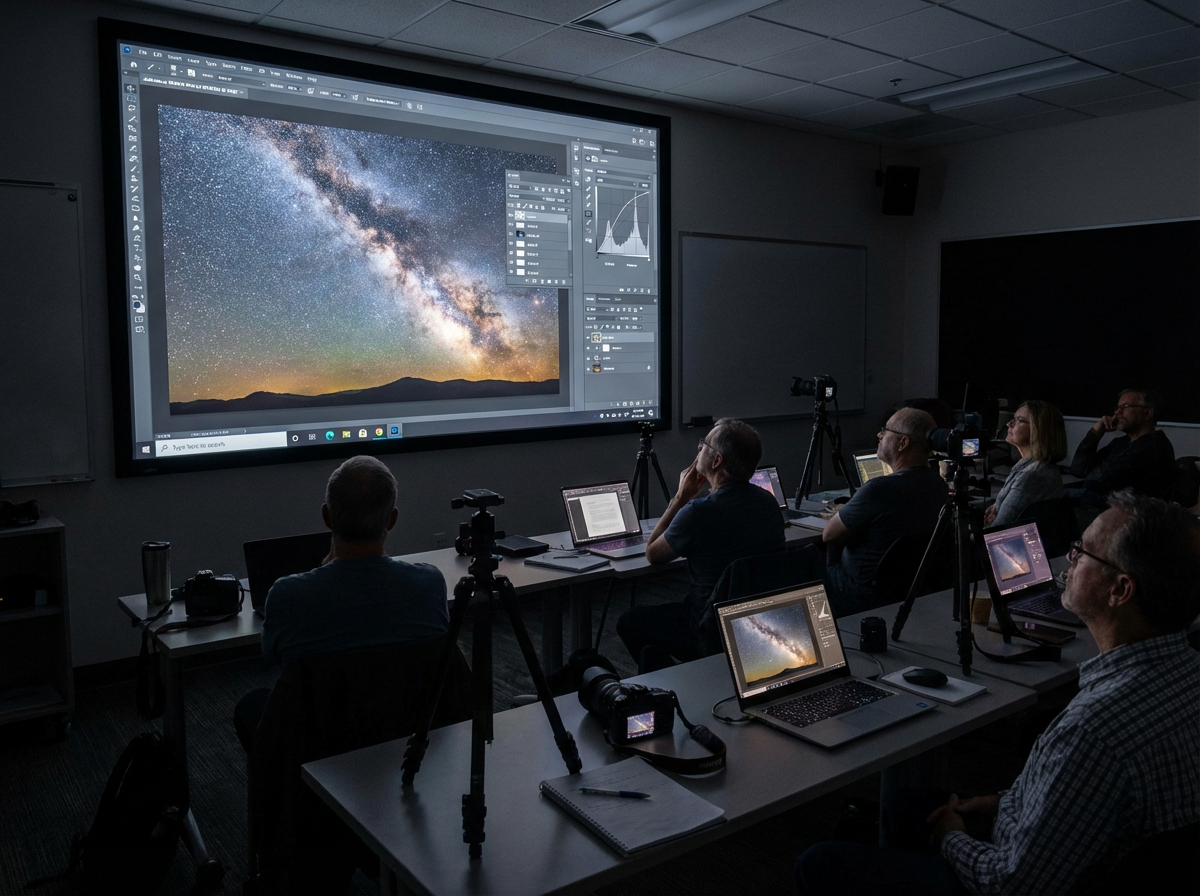
What Makes Astrophotography Workshops So Expensive?
Let's start with the uncomfortable truth. Every single astrophotography workshop carries massive overhead costs that most instructors never talk about.
Dark Sky Access
The darker the skies, the higher the costs. We're not shooting in your backyard. We're traveling hours away from cities to access pristine locations where light pollution doesn't exist.
Those remote locations come with:
National park permits (I cover these for my students)
Access fees to private land
Research and scouting trips before the actual workshop
Emergency contingency plans for remote areas
Insurance and Liability
Taking students into remote locations at night carries risk. Proper insurance coverage isn't cheap. You're paying for peace of mind that if something goes wrong, you're protected.
Equipment Investment
Star trackers aren't cheap. Quality tracking mounts cost between 500 and 2,000 dollars each.
I provide trackers for students to try during my workshops. That's multiple units per workshop, maintained and updated regularly.
I also keep modified astrophotography cameras on hand for students to test. These specialized cameras cost thousands of dollars each and dramatically improve certain types of night sky imaging. You get to experience this premium equipment without the investment risk.
Instructor Expertise
This is where prices separate dramatically.
An instructor who's been doing this for 10 years will charge more than someone who started last year. Experience translates to:
Knowing which locations produce the best results
Understanding weather patterns and backup plans
Teaching efficiently without wasting your time
Troubleshooting camera problems in complete darkness
Post processing skills that actually make images pop
But here's what price doesn't tell you: whether the instructor actually spends time teaching you.
I've seen workshops at every price point where instructors set students up, then wander off to shoot their own portfolio. They're building their Instagram while you're left figuring things out alone.
This happens at 1,000 dollar workshops and 8,000 dollar workshops alike.
When I'm teaching, my camera stays in my bag. I'm there for you, not for my next post.
Small Group Sizes
Here's the big one that nobody wants to admit.
Large workshops are cheaper per person because the instructor is splitting costs across 10, 15, or 20 students. But you get less attention. Less feedback. Less actual learning.
If you've been on a workshop where you spent more time waiting than shooting, where your questions went unanswered, or where you felt lost in the crowd, this is why. The economics forced the instructor to pack in bodies to make the numbers work.
I keep my groups between 3 to 5 people maximum. This means I earn less per workshop but you learn significantly more.
For first timers, this means you actually understand what you're doing instead of just following instructions. For experienced shooters who've been disappointed before, this means you finally get the personalized attention you paid for.
What Drives Workshop Prices Down?
Now let's talk about the other side.
Large Group Sizes
Workshops with 10 plus students can offer lower prices because they're spreading fixed costs across more people.
But here's what the industry doesn't talk about: large groups also exist at premium prices.
I've seen workshops charging 6,000 to 8,000 AUD with 8 to 10 students. The instructor isn't lowering prices because of group size. They're maximizing revenue per workshop while you're still getting diluted attention.
The trade off remains the same regardless of price: You're one face in a crowd. The instructor can't spend meaningful time with you. You might get one or two personal interactions the entire workshop.
High prices don't guarantee small groups. Always ask the maximum group size before booking.
Limited Instruction Time
Some instructors spend the workshop taking their own photos instead of teaching. They'll set you up, point you in a direction, then disappear to capture their own portfolio.
This happens at both budget and premium workshops. Price doesn't guarantee the instructor's attention is on you.
If you've attended a workshop where the instructor kept wandering off, leaving you to figure things out alone, you experienced this firsthand. You weren't imagining it. It's a real problem across the industry at every price level.
Shorter Duration
A single night workshop costs less than a multi day workshop. But you're also learning less.
You get one location. One set of conditions. One chance to practice. No time for mistakes or do overs.
Bare Bones Inclusions
The cheapest workshops often exclude:
Accommodation
Transportation to shooting locations
Park permits and access fees
Post processing instruction
Equipment to try
Ongoing support after the workshop
You see a low price, then add 1,000 dollars in hidden costs.
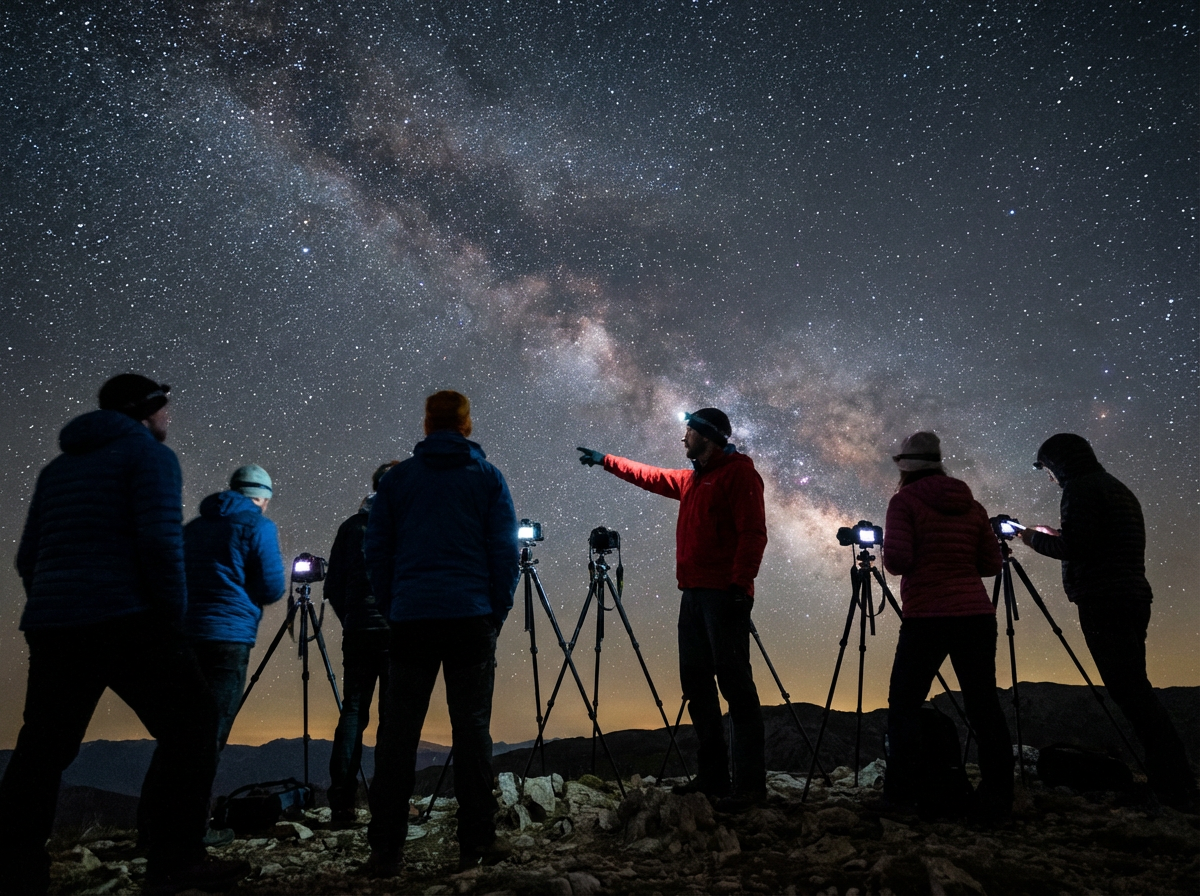
The Price Spectrum in Australia
Based on current market research, here's what you'll find:
Budget Workshops (400 to 1,000 AUD)
Single evening sessions (3 to 5 hours)
Large group sizes (10 to 15 people)
One location only
Minimal post processing instruction
No equipment provided
No ongoing support
Mid Range Workshops (1,500 to 3,000 AUD)
Weekend format (2 to 3 days)
Medium group sizes (6 to 10 people)
Multiple locations
Basic post processing session
Some equipment available to try
Limited follow up support
Premium Workshops (3,500 to 10,000 AUD)
Multi day format (4 to 5 days)
Small group sizes (3 to 5 people)
Exclusive locations with permits included
Comprehensive post processing training
All equipment provided to test
Transportation included
Ongoing mentorship options
Lifetime access to resources
Where My Workshops Fit
My multi day workshops range from 3,500 to 4,500 AUD depending on location and logistics.
Here's exactly what you get:
4 to 5 days of instruction
Maximum 3 to 5 students (guaranteed small group)
All national park passes and access fees covered
Star trackers provided for everyone to use
Transportation to secret shooting locations
Both beginner and advanced post processing training
Custom Photoshop brush set (yours to keep)
Private video tutorials (lifetime access)
Night sky workflow checklist
Lifetime mentorship option (book me anytime for editing help)
My one on one coaching is structured differently:
Hourly Sessions: 200 AUD per hour
Perfect for specific questions or quick skill building. Fully flexible.
Session Bundle: 900 AUD (saves you 300 AUD)
Six hours of one on one instruction. Can be used for field work or editing. Mix and match as needed.
Three Month Coaching Program: 1,800 AUD
This is where transformation happens. Eighteen sessions total over three months. Can be done via Zoom or in person.
Bonuses included (worth over 800 AUD):
Custom brush set
Access to private video tutorials
Night sky workflow checklist
Priority access to future workshops
Final image review and feedback
Six hours per year of ongoing one on one feedback sessions
Continued Mentorship: 1,100 AUD per year
For returning students or coaching graduates. Stay sharp. Get feedback. Never stop improving.
Understanding Package Variations
Not all workshops are created equal. Here's how to evaluate what you're really getting.
What's Included vs What You Pay For Separately
Always ask:
Is accommodation included?
Is transportation to locations provided?
Are park permits covered?
Is equipment available to use?
How much post processing instruction is included?
What happens after the workshop ends?
Many workshops look cheap until you add:
500 to 1,000 AUD for accommodation
200 to 400 AUD for transportation
100 to 200 AUD for permits
Equipment rental fees
Zero ongoing support
Suddenly that 2,000 AUD workshop costs 3,500 AUD total.
Small Group vs Large Group Reality
This is the biggest factor nobody talks about honestly.
Price doesn't determine group size. I've seen budget workshops with 15 people and premium workshops with 10 people. Both deliver the same limited attention.
In a group of 8 to 15 people, regardless of what you paid:
You might get 20 minutes of personal attention total
Instructor is managing crowd control, not teaching
You watch others learn while waiting your turn
Questions go unanswered because there's no time
The instructor often wanders off to shoot their own photos while you're "practicing"
In a group of 3 to 5 people:
You get hours of personalized feedback
Instructor can adjust teaching to your pace
Every question gets answered immediately
You practice techniques multiple times with guidance
The instructor stays present and focused on your learning
The price difference between large and small groups might be 1,000 AUD. But I've also seen workshops charge premium prices with large groups, maximizing profit while minimizing your learning.
Always ask the maximum group size. If they're vague or won't commit to a number, that's a red flag.
Initial Price vs Lifetime Cost
Here's what most beginners don't consider.
The Cheap Workshop That Costs More
You pay 800 AUD for a weekend workshop. It's basic instruction, large group, minimal feedback.
You come home and realize:
You still don't understand post processing
Your images don't look like the examples
You have questions but no support
You need another workshop to actually learn
So you book another one. And maybe another.
Total spent: 2,400 AUD across three workshops. You're still not confident.
The Premium Workshop That Saves Money
You pay 3,800 AUD for a comprehensive multi day workshop with small group size and lifetime support.
You come home and:
You understand the entire workflow
Your images look professional
You have ongoing support when questions arise
You have lifetime access to resources and tutorials
Total spent: 3,800 AUD once. You're shooting confidently for years.
The premium option costs 1,400 AUD more upfront but saves you thousands in repeated learning attempts.
Should You Finance Your Workshop?
I don't offer payment plans through financing companies.
Here's why: I want students who are financially ready and fully committed to the learning process.
What I do offer is a deposit system on my revamped website. You can secure your spot with a deposit, then pay the balance before the workshop.
This gives you time to budget without the burden of interest payments or financing fees that add hundreds to the real cost.
If you're considering financing through a third party to attend any workshop, ask yourself:
Am I financially ready for this investment?
Will I be stressed about payments during the workshop?
Could I save for six months and attend debt free?
The best learning happens when you're fully present, not worried about money.
Real Examples with Real Prices
Let me show you exactly what different price points get you in the market.
Single Evening Workshop: 400 to 600 AUD
You get 4 to 5 hours at one location. Instructor teaches camera settings and basic composition. Group size typically 10 to 12 people.
For complete beginners: You learn how to point your camera at the Milky Way and capture something. You don't learn why you're doing it or how to make it look professional. You go home with raw files and no idea how to edit them.
This can be a good starting point to see if you enjoy astrophotography before investing more.
For those who've done this before: If this was your first workshop experience, you probably left thinking "there has to be more to this." You're right. There is.
Weekend Workshop: 1,500 to 2,500 AUD
You get 2 to 3 days across multiple locations. Group size typically 6 to 10 people. One post processing session included.
For complete beginners: You learn field techniques and basic editing. You get more practice time than a single evening. You still compete for instructor attention but get more opportunities to ask questions.
For those who've done this before: If this was your experience, you probably came home with decent images but still felt uncertain when shooting alone. The fundamentals were covered but not deeply enough to make you confident.
My Multi Day Premium Workshop: 3,500 to 4,500 AUD
You get 4 to 5 days in remote locations. Group size guaranteed 3 to 5 people maximum. Comprehensive post processing training daily.
For complete beginners: You learn everything from planning to final export in a logical, building block approach. You get personalized feedback constantly. You use professional equipment without buying it first. You leave with genuine confidence to shoot and edit on your own.
For those who've done this before: If your previous workshop left you with gaps in knowledge, confusion about post processing, or frustration from lack of attention, this fills those holes. You finally get the comprehensive instruction and personal feedback you should have received the first time.
International Luxury Workshops: 6,000 to 10,000 AUD
You get exotic locations like Iceland, Namibia, or Chile. Often includes luxury accommodation and meals. Group sizes vary widely.
Here's where you need to be careful: some of these premium priced workshops still have 8 to 10 students competing for attention. You're paying for the destination experience and luxury amenities, not necessarily intimate instruction.
For complete beginners: These can be incredible experiences if you want a photography vacation in an exotic location. Just understand that the high price reflects the destination, not small group instruction.
For those who've done this before: If you paid premium prices and still felt like you were in a crowd, or if the instructor was off shooting their own work in these stunning locations, you experienced the disconnect between price and actual teaching quality. Premium doesn't always mean personalized.
Frequently Asked Questions About Workshop Pricing
Why are some workshops 400 dollars while yours are 3,500 plus?
Four hundred dollar workshops are either single evening sessions or large group formats where the instructor spreads costs across many students.
My workshops are multi day, small group, and include everything you need. The price reflects the time, expertise, and comprehensive nature of the experience.
I've been on a workshop before and still don't feel confident. What makes yours different?
Most likely your previous workshop had too many students, not enough post processing instruction, or an instructor who was shooting their own work instead of teaching.
My maximum group size is 5 people. Post processing is taught daily, not as a single rushed session. My camera stays in my bag while I'm teaching. You get the attention and depth you were missing.
Do I need to buy expensive equipment before attending?
No. I provide star trackers for everyone to try. You need a camera that shoots in manual mode, a sturdy tripod, and a wide angle lens.
For complete beginners: Don't buy anything beyond the basics until you understand what you actually need. I'll help you make smart equipment decisions after you've learned the fundamentals.
For those who've already invested: If you bought equipment based on previous workshop recommendations and regret it, I'll show you how to use what you have effectively before suggesting anything new.
What if weather ruins the workshop?
Weather is always a factor in astrophotography. I plan for this with:
Multiple backup locations
Indoor post processing sessions if clouds persist
Flexible scheduling to chase clear skies
Skills training that applies regardless of conditions
You'll leave with knowledge even if weather isn't perfect.
Can I bring a friend or partner for a discount?
I keep groups small intentionally. Adding people reduces the attention each student receives.
If your friend wants to attend, they register as a full student. This ensures everyone gets equal instruction time.
Some workshops offer partner discounts because they're already running large groups. One or two more people doesn't change the experience when there are already 10 students.
With maximum 5 people, every additional person matters. I protect that intimate learning environment even if it means earning less per workshop.
What happens after the workshop ends?
You have lifetime access to all digital resources. You get ongoing mentorship support whenever you have questions or need help working through challenges.
This means you can reach out anytime for guidance, whether it's troubleshooting an edit, preparing an image for print, or getting feedback on your work. This ongoing support is included for all workshop students.
If you want more structured, detailed mentorship or dedicated one-on-one shooting and editing sessions, you can book these through my coaching program at discounted rates.
I don't disappear when the workshop ends. Your learning continues with support that matches your needs.
How do your prices compare to international workshops?
International workshops in destinations like Iceland or Utah often cost 5,000 to 8,000 AUD for the workshop itself, plus international flights and extended travel time.
For Australian based photographers, my workshops deliver world class instruction in stunning dark sky locations without overseas travel costs.
For international photographers considering traveling to Australia, you're getting the same comprehensive instruction in unique Southern Hemisphere locations. You'll see skies and celestial objects not visible from the Northern Hemisphere, making the travel worthwhile for a truly different astrophotography experience.
Is this cheaper than learning on my own?
Learning alone costs more than you think:
Trial and error for months or years
Wasted trips to locations that don't work
Equipment purchases you later regret
Online courses that don't translate to field work
Frustration that makes you quit
A comprehensive workshop compresses years of learning into days. The time saved is worth far more than the cost.
If you've already spent money on multiple workshops or online courses without getting results, you know exactly what I'm talking about. One properly structured workshop eliminates that waste.
Historical Pricing Trends
Astrophotography workshops have seen steady price increases over the past five years.
2020 Average Prices:
Single evening: 300 to 450 AUD
Weekend: 1,200 to 2,000 AUD
Multi day: 2,500 to 3,500 AUD
2025 Current Prices:
Single evening: 400 to 600 AUD
Weekend: 1,500 to 2,500 AUD
Multi day: 3,500 to 4,500 AUD
Why the increase?
Rising Operational Costs
Permits, insurance, and vehicle costs have all increased. Dark sky locations are more regulated now, requiring proper permissions and fees.
Equipment Investment
Camera technology advances rapidly. Instructors must invest in new equipment to teach current techniques.
Star trackers that cost 400 dollars five years ago now cost 600 to 800 dollars.
Increased Demand
More people want to learn astrophotography. Popular instructors can charge more because spots fill quickly.
Limited dark sky access means competition for prime locations drives up costs.
Professionalization of the Industry
Early workshops were often casual, underprepared experiences. Today's workshops are professional productions with structured curricula, comprehensive insurance, and polished delivery.
You're paying for a professional experience, not a hobby instructor's side hustle.
But professionalization also brought something else: instructors who realized they could charge premium prices while packing in larger groups. The polish looks premium. The marketing looks premium. The group size and attention level tell a different story.
This is why you must ask specific questions about group size and instructor presence, even when evaluating expensive workshops.
Is It Really Worth It?
Here's the honest answer.
It's Worth It If:
You're serious about learning astrophotography, not just taking one pretty photo.
You value small group instruction over large tour groups.
You want comprehensive training from capture to final edit.
You're willing to invest in yourself and your creative development.
You want ongoing support, not just a one time experience.
You've been disappointed before and you're ready for an instructor who actually teaches instead of shooting their own portfolio.
It's Not Worth It If:
You just want to try astrophotography once to see if you like it. Start with a single evening workshop or hire a one on one instructor for a few hours.
You're not ready to learn post processing. Field skills alone won't create the images you're imagining.
You're hoping to become a professional photographer overnight. This is the beginning of a journey, not a magic solution.
You're financially stressed by the investment. Learning requires presence and focus, not money anxiety.
You're still shopping based purely on price rather than outcomes. The cheapest option rarely delivers the best results, as you may have already discovered.
What Students Say About Value
Students who invest in comprehensive workshops consistently report the same benefits:
They skip years of trial and error.
They avoid expensive equipment mistakes.
They build confidence to shoot solo immediately.
They create portfolio worthy images from day one.
They join a community of like minded photographers.
But the biggest difference they notice? Having an instructor who's actually present.
When your instructor puts their camera away and focuses entirely on your learning, you absorb more in five days than months of solo practice.
The value isn't just in the five days of instruction. It's in the years of enjoyment and creative expression that follow.
The Hidden Costs Nobody Mentions
Beyond the workshop fee itself, budget for:
Travel to Workshop Location
Depending on where you live, this could be 200 to 800 AUD in flights or fuel.
Meals and Incidentals
Budget 150 to 300 AUD for meals not included in the workshop package.
Your Own Equipment
If you don't own a suitable camera and lens, budget 1,500 to 3,000 AUD for entry level gear.
Many beginners don't realize they need:
Spare camera batteries (cold nights drain batteries fast)
Large capacity memory cards
A quality sturdy tripod
A red light headlamp
Warm clothing for night shooting
Post Workshop Software
Adobe Lightroom and Photoshop subscription costs roughly 15 AUD per month. Budget 180 AUD per year.
Some free alternatives exist, but most professional workflows use Adobe.
Future Trip Costs
Once you learn astrophotography, you'll want to shoot more. Budget for:
Travel to dark sky locations
Accommodation in remote areas
Park entry fees
Fuel for driving to shooting spots
The workshop is your entry point. The hobby continues costing money like any creative pursuit.
My Transparent Pricing Philosophy
I believe you deserve to know exactly what you're paying for.
My prices reflect:
Small group sizes that maximize your learning
Comprehensive instruction from capture to export
All permits and access fees included
Equipment provided so you can try before buying
Transportation to shooting locations
Lifetime digital resources
Ongoing support that doesn't end when the workshop does
I don't hide costs. I don't upsell equipment. I don't pressure you into advanced workshops before you're ready.
I price my workshops to attract serious students who value quality instruction over bargain hunting.
If my prices don't fit your budget right now, I respect that. Start with my hourly sessions or save until you're ready.
I'd rather have committed students who are financially comfortable than stressed students worried about money.
Making Your Decision
You're investing in more than photos. You're investing in a skill that will bring you joy for decades.
Whether this is your first workshop or you're trying again after a disappointing experience, choose based on:
The learning outcome you want, not just the price tag
The group size and attention you'll receive
The comprehensiveness of instruction
The ongoing support after the workshop ends
The instructor's experience and teaching style
Whether the instructor will actually be teaching or shooting
Ask every workshop provider:
What's your maximum group size?
What's included and what costs extra?
How much post processing instruction do I get?
What support do I receive after the workshop?
Can I see examples of student work from previous workshops?
Will you be shooting your own photos during instruction time?
That last question matters more than most beginners realize. And if you've been on a workshop where the instructor disappeared to shoot their own work, you already know why it's critical.
If an instructor hesitates or says they'll "work alongside you," that's code for "I'll be building my portfolio while you figure things out."
The provider who answers honestly and completely is the one who'll give you the best experience.
Final Thoughts
Astrophotography workshops range from 400 to 10,000 AUD in Australia for good reasons.
You get what you pay for: small groups cost more but teach better, comprehensive instruction costs more but saves money long term, and experienced instructors cost more but deliver results faster.
My workshops fall in the premium range because I prioritize your learning over my profit margins.
I keep groups small. I include everything you need. I provide lifetime support. My camera stays in my bag while you're learning.
If this is your first workshop and that resonates with you, I'd be honored to teach you.
If you've been disappointed before and you're searching for what you should have received the first time, I understand that frustration. You deserve an instructor who's fully present and committed to your success.
If you need something more budget friendly right now, start with my one on one options or save for the full experience.
Either way, I'm here to help you capture the night sky in ways that take your breath away.
Because that feeling when you see your first professional quality Milky Way image that you created yourself, or when you finally understand what you were missing in your previous attempts?
That's priceless.
And that's what I'm really selling.